
Boxing Day football: the holiday round and why it still matters
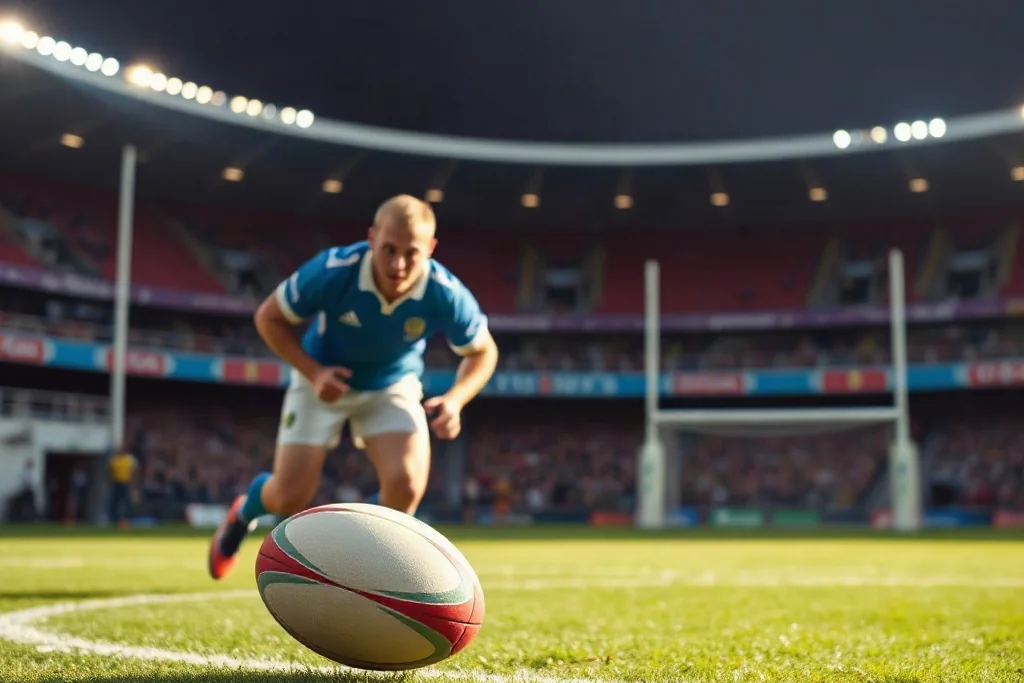
Boxing Day football is one of the oldest traditions in the English game, and in the National League South it remains one of the biggest days of the season. Crowds rise, derbies are scheduled deliberately, and a club that has had a difficult autumn can reset its relationship with its supporters in a single afternoon.
The holiday round is also a scheduling puzzle. Two matches in three or four days, played in front of the largest attendances of the year, often on a pitch that has taken a hammering from December weather.
Why the crowds come
Holiday football sits in a gap that nothing else fills. There is no top-flight football on the same day at the same time in the same place, families are together, and a match is the natural thing to do with an afternoon. Clubs at this level feel the effect immediately in the gate receipts.
For supporters who follow a club all season, Boxing Day is also a social occasion as much as a sporting one. People who have moved away come back, old faces reappear, and the atmosphere is closer to a reunion than a normal league fixture.
The derby arrangement
Leagues schedule local fixtures on Boxing Day on purpose, and it is one of the few pieces of fixture planning that reliably works. A short journey means a bigger away following, and a bigger away following means a proper atmosphere rather than a flat one.
The consequence is that the holiday round produces a disproportionate number of upsets. Derbies compress the gap between well-resourced clubs and modest ones, because form matters less when the ground is full and the players know each other.
| Factor | Boxing Day round | Normal league day |
|---|---|---|
| Attendance | Frequently the highest of the season | Baseline for the club |
| Travel | Local, short journeys | Wide spread across the division |
| Pitch condition | Worn and heavy after December | Variable |
| Recovery time | Two matches in three days | A week between fixtures |
| Atmosphere | Frequently loud and partisan | Dependent on the fixture |
The physical cost
Two matches in three days on a heavy pitch is the hardest physical test of the season. Muscles that have not recovered are asked to sprint on a surface that gives no help, and soft-tissue injuries in the holiday period are correspondingly common.
Managers respond by making more changes than usual in the second fixture, which is why the follow-up game often looks disjointed. The team that wins both holiday fixtures is usually the one with the deepest squad rather than the best eleven.
Commercial and community weight
- The gate from one holiday fixture can fund a month of normal operations.
- Programmes, raffles and hospitality sell best on this date.
- Volunteers are stretched, since many have family commitments.
- Young supporters who attend once a year often become regulars.
- A heavy defeat in front of a big crowd damages the mood for weeks.
What clubs do differently
Preparations change in small ways. Training is lighter, travel is arranged earlier, and the squad is often named internally before the public announcement so players can plan around family commitments. Some clubs open the ground for a supporters' event before kick-off.
The pitch is the biggest practical concern. Covers, drainage work and a decision to train elsewhere in the days before the match are common, and a club that loses a home holiday fixture to the weather loses far more than a normal postponement would cost.
Why it still matters
Modern football has moved most things away from tradition, but the holiday round has survived because it works. It fills grounds, it produces stories and it gives clubs a date in the calendar that supporters plan around months in advance.
At this level, where there is no television money and no corporate income to speak of, a day that reliably brings people through the turnstiles is worth preserving for reasons that have nothing to do with sentiment.
Why the holiday round matters commercially
The Boxing Day and New Year fixtures are the two best-attended matches of the season for most clubs at this level, and the gate receipts from those two games fund a meaningful part of the winter budget. Supporters travel home for the holidays and bring family who would not attend a Tuesday night in November.
That is why clubs fight to keep derby fixtures in the holiday round. A local opponent on Boxing Day fills the ground, sells the food and drink and sends people home talking about the club for a fortnight. A long away trip on the same date does none of those things.
How managers handle the double header
Two matches in three or four days force rotation, and rotation at this level is limited because squads are small. The usual approach is to pick the stronger side for the home match and accept that the away game in the pair will be harder, then manage the substitutions in both to protect the players carrying knocks.
The physical cost is real. A squad that plays two high-intensity matches in four days and then faces a midweek round in early January is effectively playing three games in eight days, which is where soft-tissue injuries cluster. Clubs that plan for that in December usually start January with a fuller squad than the ones that do not.
Looking ahead to the next one
The pattern is predictable: a local derby, a big crowd, a heavy pitch and a follow-up match three days later. Clubs that plan for all four of those things tend to take more points from the round than clubs that only think about the first.
Read next
Midweek congestion: how a crowded calendar bends a season
Three games in eight days changes selection, recovery and the table itself.
Winter postponements: what happens when the weather wins
Frozen pitches, waterlogged grounds and the paperwork that follows.
How to read the run-in fixture list
Games in hand, travel, and the sequence of opponents that decide a promotion race.